Peptide Pureness Resolution Imaginative Peptides-peptide Medication Exploration
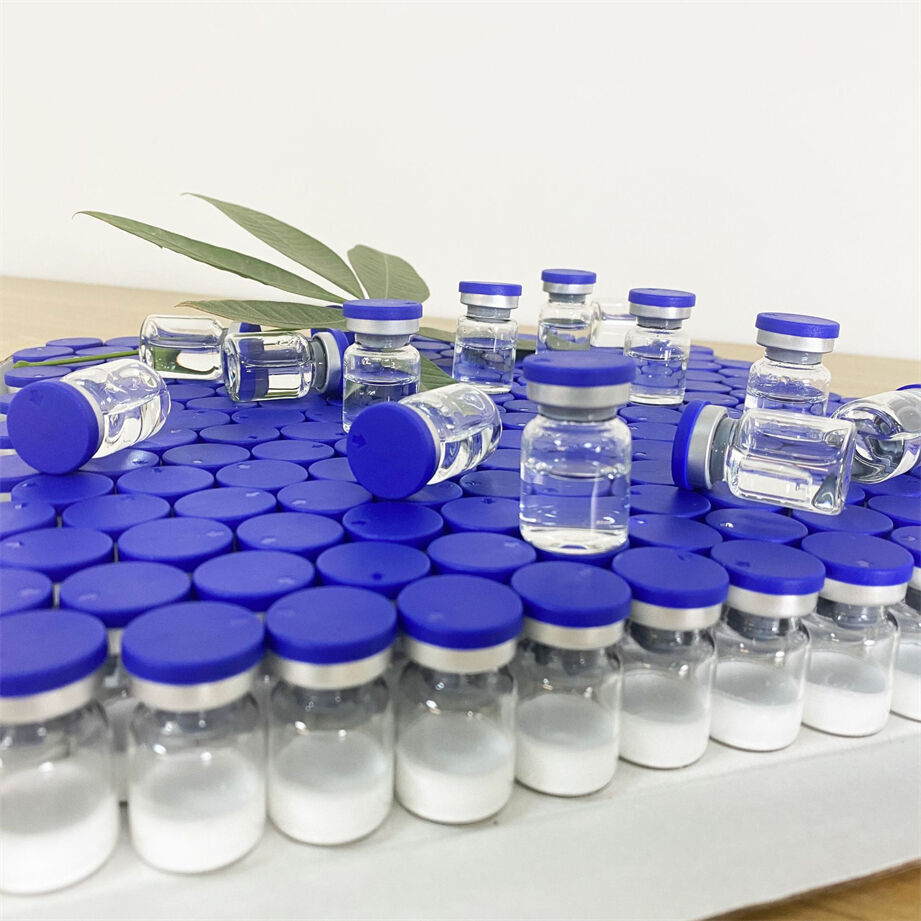
Peptide Purity Screening: Just How Researchers Confirm Top Quality Utilizing suppliers that use cold-chain logistics and vacuum-sealed product packaging is essential for avoiding the degradation of sensitive sequences. Additionally, reviewing the bulk research peptides market requires an equilibrium between cost-efficiency and the assurance of batch-to-batch consistency. Independent verification remains the most efficient approach to make certain that the chemical identification matches the provided documents.
- " Trailing"-- where the height tracks off gradually on one side-- can suggest column troubles, example overloading, or additional communications in between the peptide and the fixed phase.
- When a COA states "99% purity by HPLC," this indicates the evaluation revealed 99% of the spotted product was the target peptide, with only 1% being impurities.
- In this setup, the stationary phase is hydrophobic (water-repelling), commonly C18-bonded silica.
- The supplier ranking system aggregates checking results, enabling researchers to contrast top quality fads across different suppliers.
- If the measured mass matches the expected mass for your peptide sequence, you have verification that the correct compound is present.
Supplier Certification Process
HPLC is among the most commonly utilized techniques in peptide pureness testing. If you see numerous big optimals of similar height, you're taking a look at either a low-purity example or a blend. If the main height has a noticeable "shoulder"-- a bump on one side-- that usually shows a very closely associated contamination (like a deletion peptide) that the column could not totally resolve. The peptide is travelled through an easy filtration step (commonly gel purification or a quick reversed-phase cleanup) to remove salts, small-molecule by-products, and scavengers from the bosom action. The final purified peptides are vialed under aseptic conditions. Strong Phase Peptide Synthesis (SPPS) is based upon consecutive addition of alpha-amino and side chain secured amino acid deposits to an https://aminoacidsupplements.co/ insoluble polymeric assistance. Briefly, synthesis is done by step-by-step addition of triggered amino acids to the solid assistance (Wang material and PEG-PS) beginning with the carboxy terminus to the amino terminus. Activation of amino acids were carried out by DIC-Oxyma chemistry. At the end of the synthesis the peptides were cleaved off the resin by reagent R (90% TFA, 5% Thioanisole, 3% Ethanedithiol, and 2% Anisole) and based on numerous ether removals. One core method is High-Performance Liquid Chromatography (HPLC), the gold criterion for assessing peptide pureness. HPLC separates peptide mixtures and can spot even minor pollutants below 1% of the sample [4] A normal laboratory will certainly run the peptide via an HPLC system and generate a chromatogram-- the major height corresponds to the target peptide, and any extra optimals indicate various other substances. In concentration-response experiments, these impurities can change curves, flatten plateaus, or present biphasic actions that covers real task of the target substance. Peptides consisting of methionine or cysteine deposits are susceptible to oxidation. Methionine can be oxidized to methionine sulfoxide; cysteine can develop undesirable disulfide bonds or be oxidized to sulfinic or sulfonic acid derivatives. These adjustments alter the peptide's biological activity and chromatographic account. Peptides in microspheres and nanoparticles may ensnare with matrices, making it difficult to separate totally free and encapsulated types.Where can I send my peptides to test for pureness?
ACS Peptide Examining Labs is a professional peptide evaluation research laboratory that accepts examples from all 50 states. Whether you need to evaluate peptide purity, confirm a vendor''s Certification of Evaluation, or run thorough contaminant testing, our lab supplies quick, accurate results with detailed coverage.